
The general election is Tuesday, Nov. 3, 2026, with polls open from 7 a.m. to 8 p.m. Monroe County voters will choose candidates for federal, state and county offices and decide three proposed amendments to the Wisconsin Constitution. Assembly races and any local referendum questions depend on where you live. Visit myvote.wi.gov to view your sample ballot, find your polling place, check your registration or request an absentee ballot. For more Monroe County information including polling places and clerk contact information visit https://www.co.monroe.wi.us/departments/county-clerk/elections
Tom Tiffany — Republican candidate for governor, running with David Varnam — Republican candidate for lieutenant governor
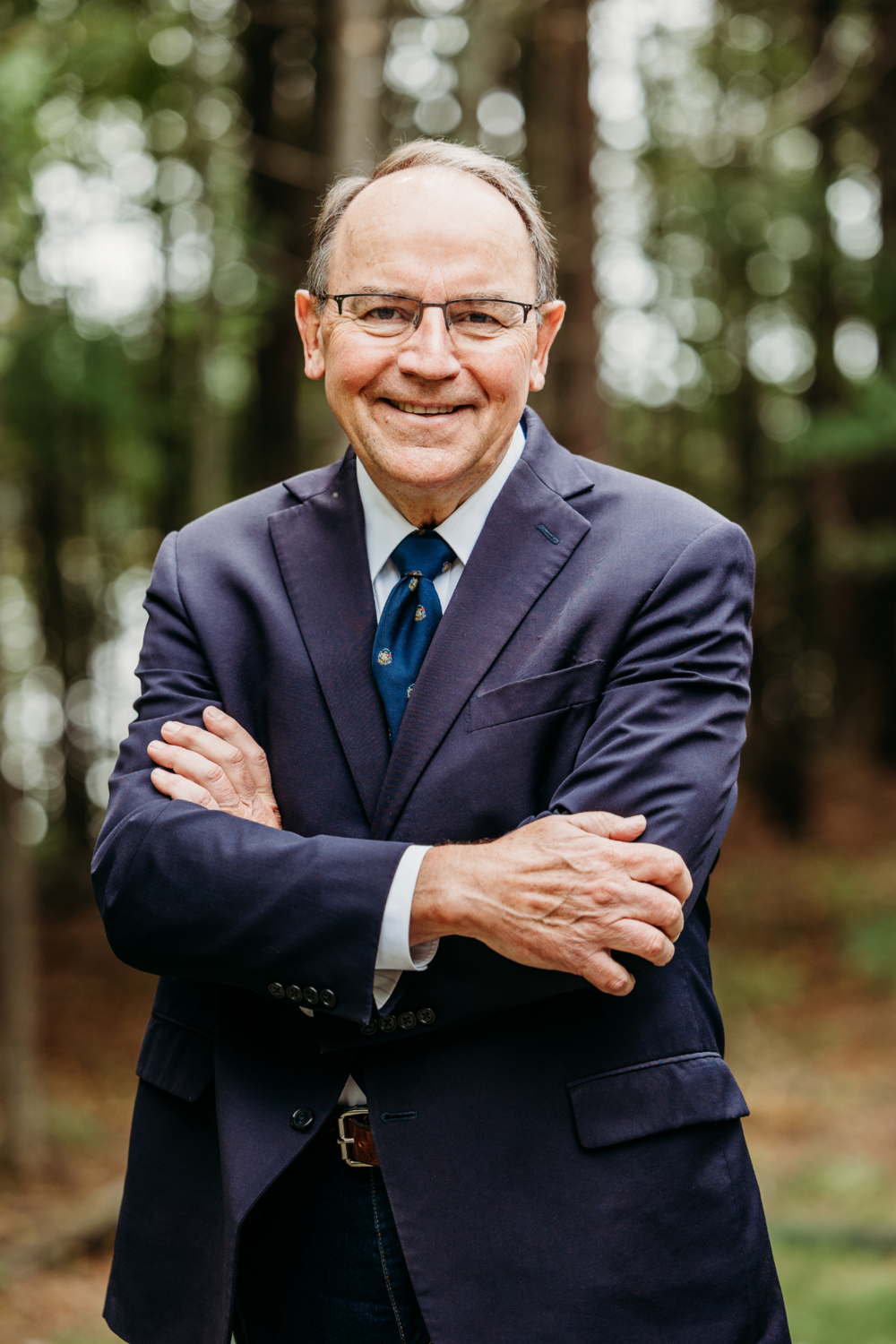
Tom Tiffany grew up on a dairy farm near Elmwood and graduated from the University of Wisconsin–River Falls with a degree in agricultural economics. Before entering state government, he ran a tour boat business with his wife, Chris, and spent 29 years tending the Willow Flowage dam.
He began his political career in local government. He served on the Little Rice Town Board, entered the Wisconsin Assembly in 2011, and moved to the state Senate in 2013. He has represented Wisconsin’s 7th Congressional District since winning a special election in 2020.
Tiffany’s campaign emphasizes lower taxes, fewer regulations, and auditing state agencies. He proposes repealing the minimum markup requirement for gasoline and speeding up housing and business permits.
He supports additional school funding tied to results, stronger reading instruction, and greater parental control. He would freeze UW tuition and eliminate university diversity, equity, and inclusion programs.
His health care proposals include upfront pricing, prescription drug oversight, and regulated medical marijuana. Rural priorities include helping young farmers and restoring greater local authority over large energy and data center projects. He also supports stronger cooperation with federal immigration enforcement.
Website: https://tomtiffany.com
David Crowley — Democratic candidate for governor, running with Sarah Godlewski — Democratic candidate for lieutenant governor
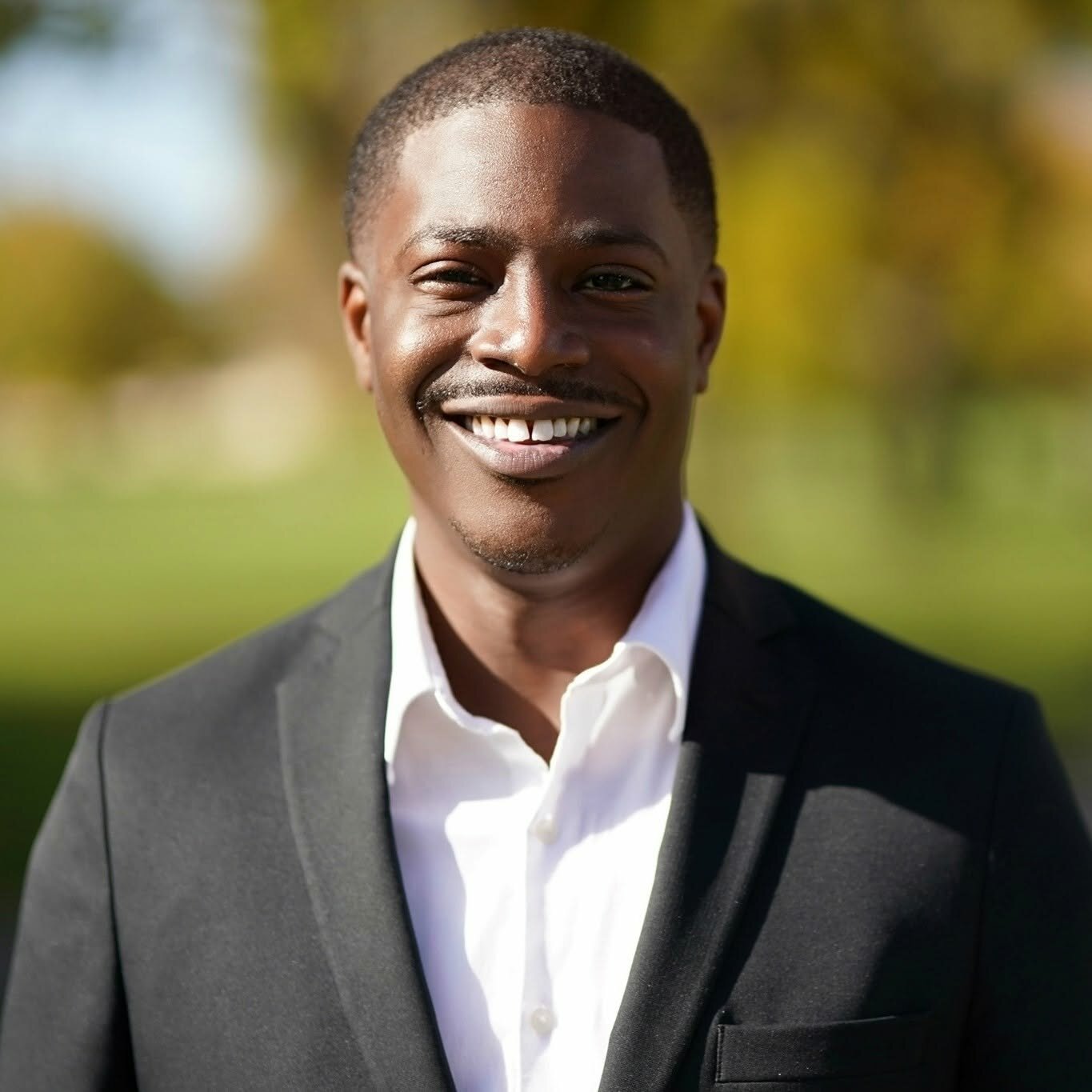
David Crowley is Milwaukee County’s executive and a former state representative. First elected county executive in 2020, he became the county’s first Black executive and its youngest elected leader. Voters reelected him in 2024.
Crowley grew up in Milwaukee, attended Bay View High School, and earned a bachelor’s degree from the University of Wisconsin–Milwaukee. He represented Milwaukee’s west side in the Assembly from 2017 to 2020. He and his wife, Ericka, have three daughters.
His campaign focuses on housing, education, health care and jobs. Crowley proposes increasing affordable housing construction, simplifying business permits and expanding financing for local entrepreneurs.
He supports universal early childhood education, additional public-school funding and higher reimbursement for special education expenses. His workforce agenda also includes apprenticeships and technical training.
Crowley wants to expand addiction treatment, mobile health services and emergency medical care. He favors clean energy investment, stronger labor standards, broadband expansion, road repairs and public transportation.
His economic development proposals focus on local businesses and commercial corridors. He also supports voting protections and nonpartisan redistricting. Crowley says public investments should produce jobs and services that residents can see in their communities.
Website: https://www.crowleyforwi.com
David Varnam — Republican candidate for lieutenant governor, running with Tom Tiffany — Republican candidate for governor
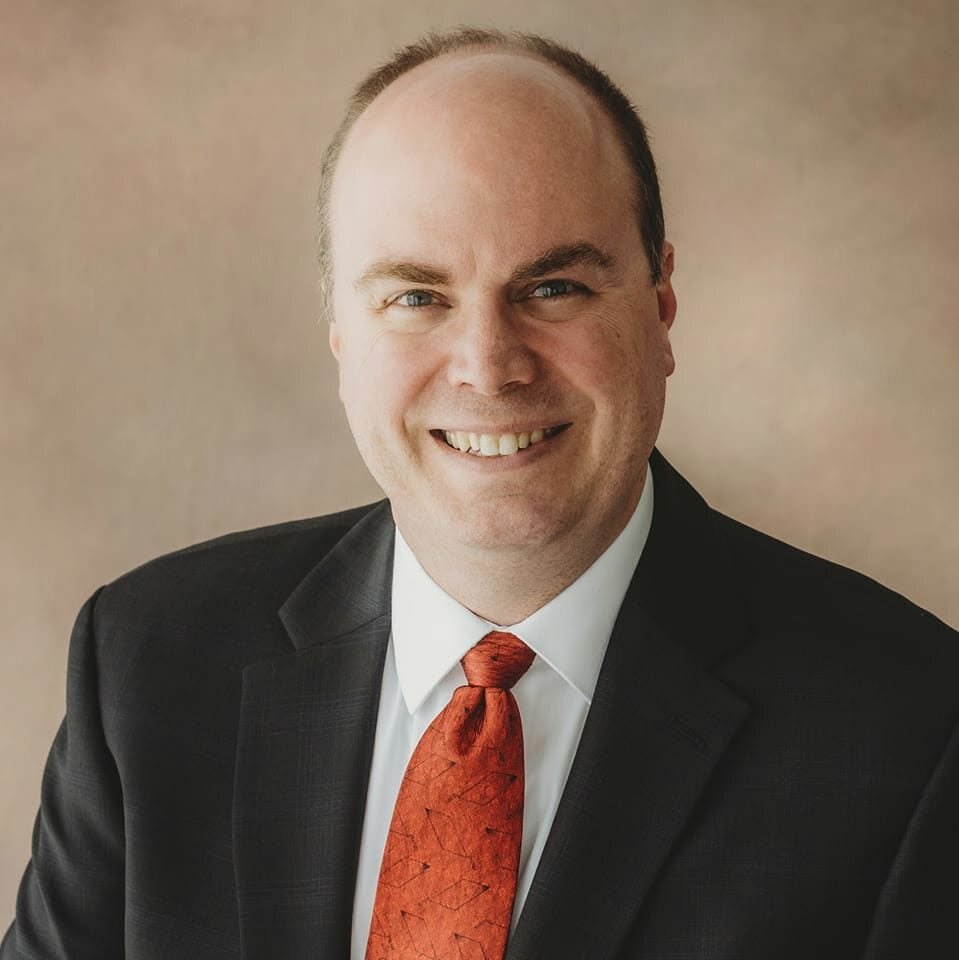
David Varnam is a former Lancaster mayor with experience in local government, economic development, and federal policy. He was elected mayor in 2016 after nearly three years on the Common Council.
Varnam previously worked as a congressional aide and a federal policy analyst for Focus on the Family. He earned a bachelor’s degree in Christian studies with a minor in history from California Baptist University. His wife, Jessica, is a family practice physician. They have two daughters.
Running alongside Tom Tiffany, Varnam supports lower taxes, fewer regulations, and a smaller state government. He favors school choice, greater parental involvement, and higher academic expectations.
His platform supports abortion restrictions and gun ownership rights. He also favors restrictions preventing transgender women and girls from participating in female sports and using female locker rooms.
On public safety, Varnam supports additional officer training, qualified immunity, and cooperation with federal immigration agencies concerning people who are in the country illegally and have committed crimes.
His rural priorities include farmers’ authority over their operations, transportation improvements and broadband expansion. Varnam says his experience as a small-city mayor would help him advise the governor and explain the administration’s decisions throughout Wisconsin.
Website: https://davidvarnam.com
Sarah Godlewski — Democratic candidate for lieutenant governor, running with David Crowley — Democratic candidate for governor
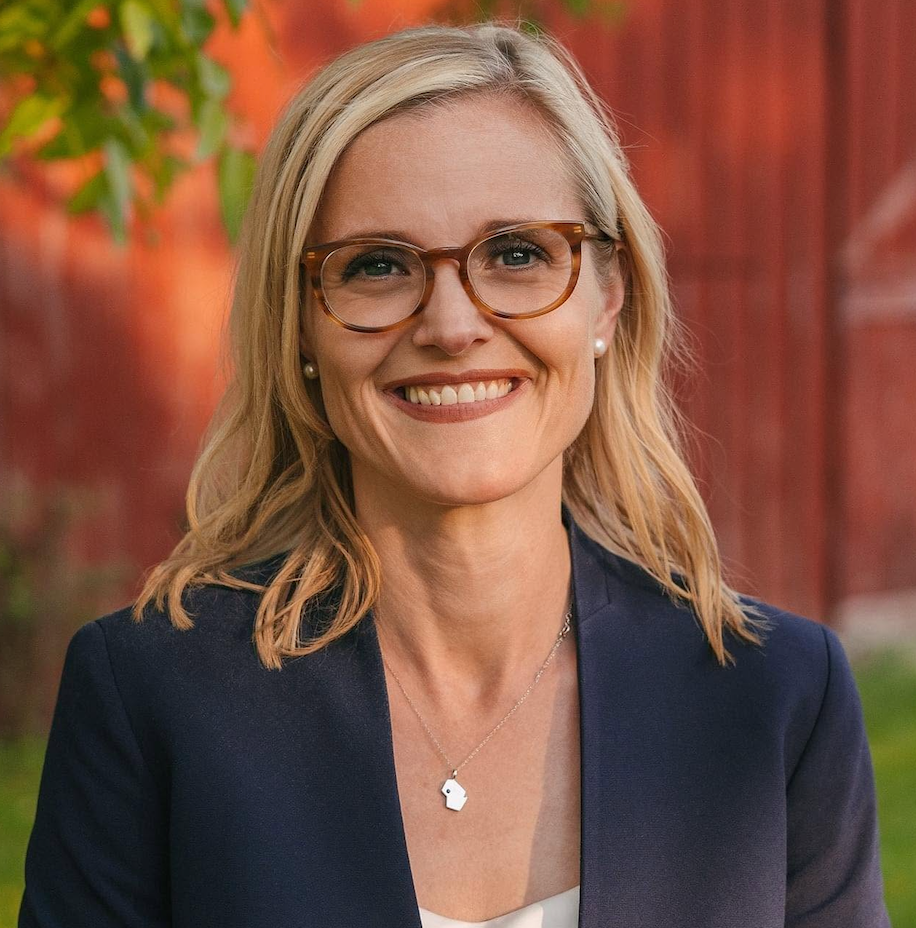
Sarah Godlewski grew up in Eau Claire and is the daughter of two public school teachers. She served as Wisconsin’s state treasurer from 2019 to 2023 before Gov. Tony Evers appointed her secretary of state following Doug La Follette’s resignation.
Before entering state government, Godlewski worked for nearly a decade supporting the Pentagon. She later co-founded MaSa Partners, an investment firm supporting early-stage businesses, and helped establish WE Capital, which finances women entrepreneurs.
As treasurer, she served on the Board of Commissioners of Public Lands, which oversees trust funds supporting public education. She sought the Democratic nomination for U.S. Senate in 2022 but withdrew before the primary.
Godlewski is running with David Crowley. She identifies affordability, housing, and health care as her top priorities, with proposals to expand affordable childcare, increase housing supply, and protect health coverage.
She also argues that corporations should contribute more toward public services. Godlewski says she would travel throughout Wisconsin, gather residents’ concerns, and bring them into the administration’s decisions.
Her campaign connects childcare, housing, and medical costs to families’ ability to work and get ahead. She proposes working with labor groups, businesses, and community organizations to address those expenses.
Website: https://www.sarahforwisconsin.com
Eric Toney — Republican candidate for attorney general
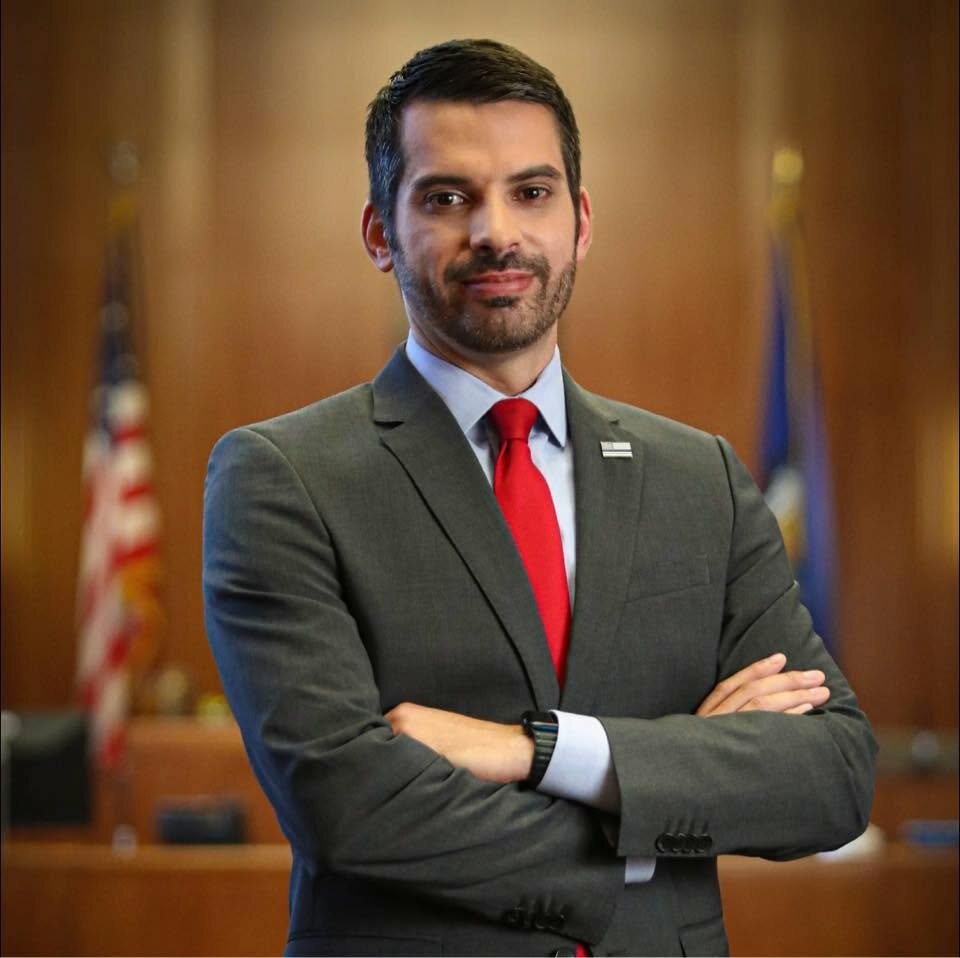
Eric Toney has served as Fond du Lac County district attorney since 2013. His prosecution work has included homicide, sexual assault, drug trafficking, financial crimes, and racketeering.
Raised in a law enforcement family, Toney earned degrees in history and political science from St. Norbert College and a law degree from Hamline University. He has served as president of the Wisconsin District Attorneys Association and was named Wisconsin’s District Attorney of the Year for 2024.
Toney helped establish Fond du Lac County’s first Drug Court and chaired an opioid coalition. His community work has included Teen Court, sexual assault support services and drug prevention organizations.
His campaign emphasizes violent crime, drug trafficking and Wisconsin’s crime laboratories. Toney proposes modernizing the laboratories, reducing testing backlogs and holding department leadership accountable.
He says the Department of Justice should concentrate on supporting law enforcement, prosecuting dangerous offenders and assisting victims. His drug enforcement priorities include fentanyl and methamphetamine trafficking and cooperation between local agencies and state investigators.
Toney was the Republican nominee in 2022 and lost to Josh Kaul. He is challenging Kaul again, arguing that his experience prosecuting cases in the county prepares him to lead the department and improve its operations.
Website: https://erictoney.com
Josh Kaul — Democratic candidate for attorney general
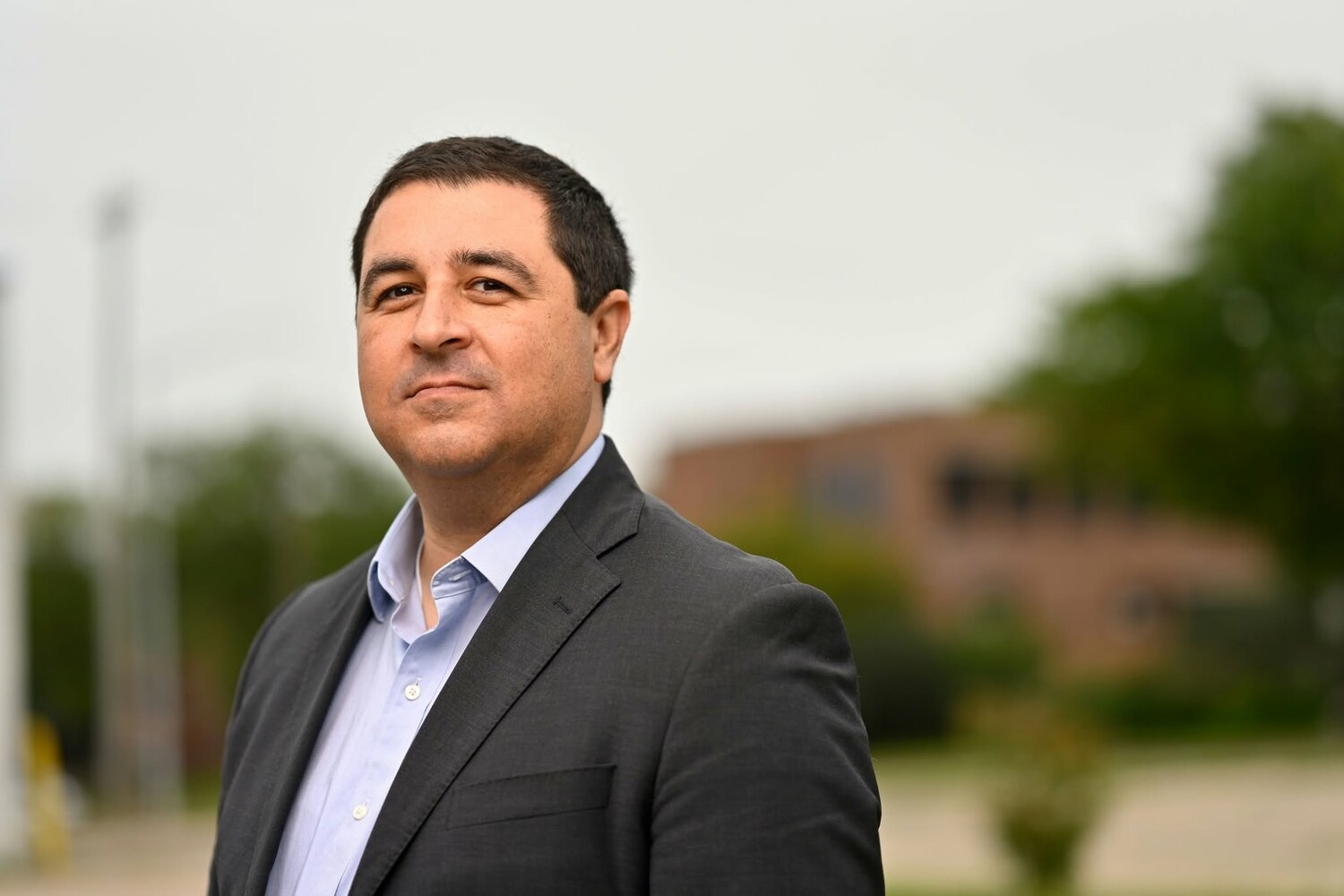
Josh Kaul has served as Wisconsin’s attorney general since January 2019. He defeated Republican incumbent Brad Schimel in 2018 and won reelection against Eric Toney in 2022.
Kaul grew up in Oshkosh and Fond du Lac. His mother, Peg Lautenschlager, also served as Wisconsin attorney general, and his stepfather was a police officer. He graduated from Yale University and Stanford Law School, where he was president of the Stanford Law Review.
Before returning to Wisconsin, Kaul worked as a federal prosecutor in Baltimore, handling cases involving murder, gangs, and drug trafficking. He later practiced law in Wisconsin, including voting rights litigation.
Kaul says public safety would remain his priority. He supports additional resources for policing, prosecution, violence prevention, substance-use treatment, and school safety.
His platform includes mental health courts, veterans’ courts, crisis response teams, and programs that help people return to the community after incarceration. He also supports additional gun safety measures.
Kaul favors protecting abortion access, voting rights, and disability rights. He says the department should challenge unlawful federal actions that harm Wisconsin residents and investigate abuses affecting consumers, taxpayers, and natural resources. He is seeking a third term.
Website: https://joshkaul.org
Jay Schroeder — Republican candidate for secretary of state
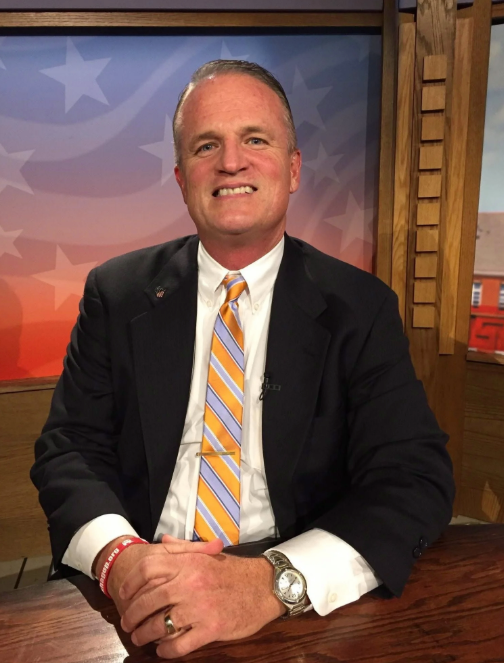
Jay Schroeder grew up in Clintonville and graduated from the University of Wisconsin–Stout with a degree in business administration. His background includes business ownership and service in local government. According to his campaign biography, he won election to the Menomonie City Council while attending college.
Schroeder has sought the secretary of state’s office before and was the Republican nominee in 2018. This year, his campaign centers on changing Wisconsin’s election administration.
He proposes shifting responsibility for elections from the Wisconsin Elections Commission to the secretary of state. Schroeder argues that an elected statewide official would be more directly accountable to voters than the existing commission.
The secretary of state currently does not administer elections. Implementing his proposal would require changes to state law, and Schroeder says he would seek legislative support.
His campaign also emphasizes transparency in public records, accountability, and stewardship of public land trust funds. He says he aligns with President Donald Trump’s political movement.
Schroeder’s published material offers more detail on expanding the office’s election responsibilities than on changes to its current duties. He faces Democrat JoCasta Zamarripa and Wisconsin Green Party candidate Pete Karas for the open seat currently held by Sarah Godlewski.
Website: https://jayforwisconsin.com
JoCasta Zamarripa — Democratic candidate for secretary of state
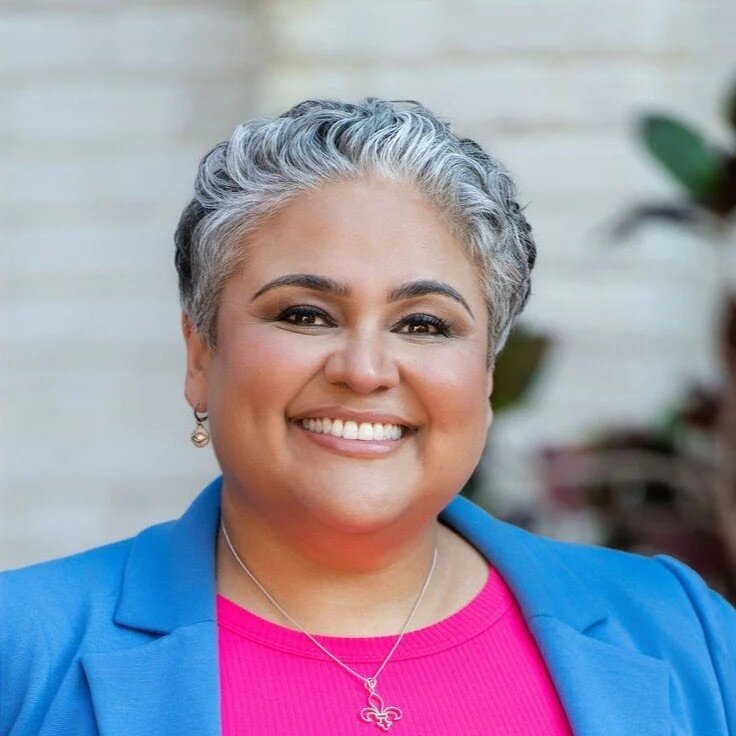
JoCasta Zamarripa is a Milwaukee Common Council member and former state representative. Born and raised in Milwaukee, she has represented neighborhoods on the city’s near south side in municipal and state government.
Zamarripa graduated from the University of Wisconsin–Milwaukee in 2005. Before entering public office, she worked as an outreach coordinator for Planned Parenthood of Wisconsin.
She was elected to the Assembly in 2010 and served five terms, leaving the Legislature in 2021. She joined Milwaukee’s Common Council in 2020.
Her campaign emphasizes public school funding, affordable housing, and childcare. Zamarripa argues that schools need dependable state support rather than relying heavily on fundraising and local referendums.
She supports greater investment in childcare providers and policies that help families secure stable housing. Rising household expenses recur throughout her campaign.
Zamarripa also proposes protecting and expanding public trust funds supporting school libraries through the secretary of state’s seat on the Board of Commissioners of Public Lands.
Website: https://www.votejocasta.com
Pete Karas — Wisconsin Green Party candidate for secretary of state
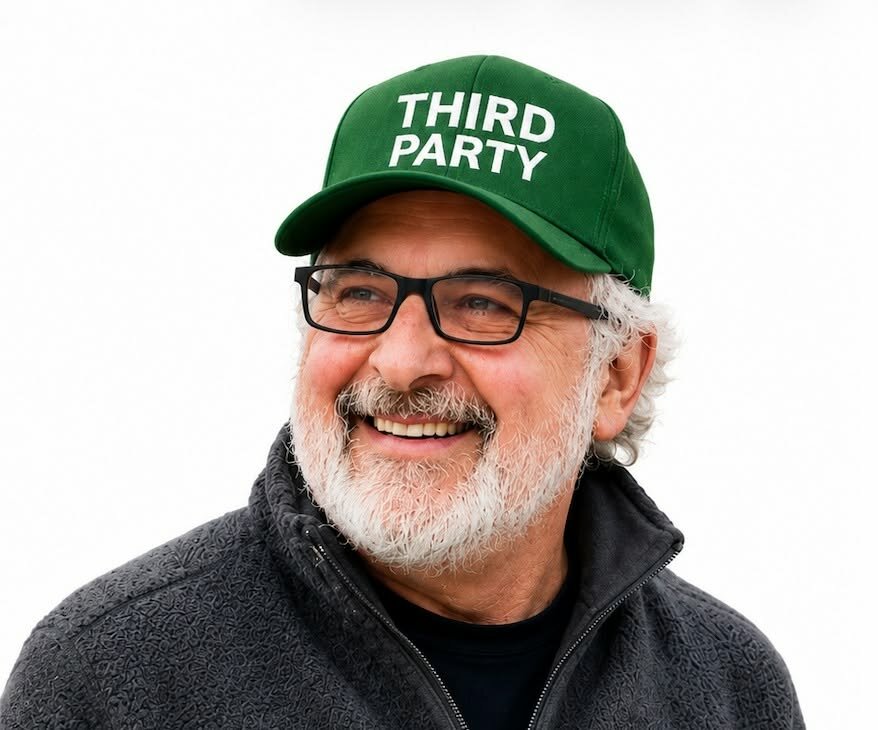
Pete Karas is a former Racine City Council member with a background in insurance and small business. Born and raised in Racine, he graduated from the University of Wisconsin–La Crosse in 1983.
Karas was first elected to Racine’s Common Council in 2003. He served as chairman of the Committee on Housing and Neighborhoods. He now lives in Muskego.
His campaign emphasizes election reform, government transparency, and broader choices for voters. Karas argues that independent and third-party candidates face unnecessary barriers and supports changes to ballot access.
He proposes using the secretary of state’s office to advocate for those changes while carrying out its administrative responsibilities. Modernization of public records is another priority.
Through the Board of Commissioners of Public Lands, Karas wants school library support to reflect districts’ needs. He argues that funding decisions should recognize differences in local resources.
Karas acknowledges the office’s limited policymaking authority but says its statewide visibility provides an opportunity to press for reforms.
Running against Republican Jay Schroeder and Democrat JoCasta Zamarripa, he presents his candidacy as a chance to elect an official who would operate independently of the two major parties’ leadership.
Website: https://petekaras.com
John S. Leiber — Republican candidate for state treasurer
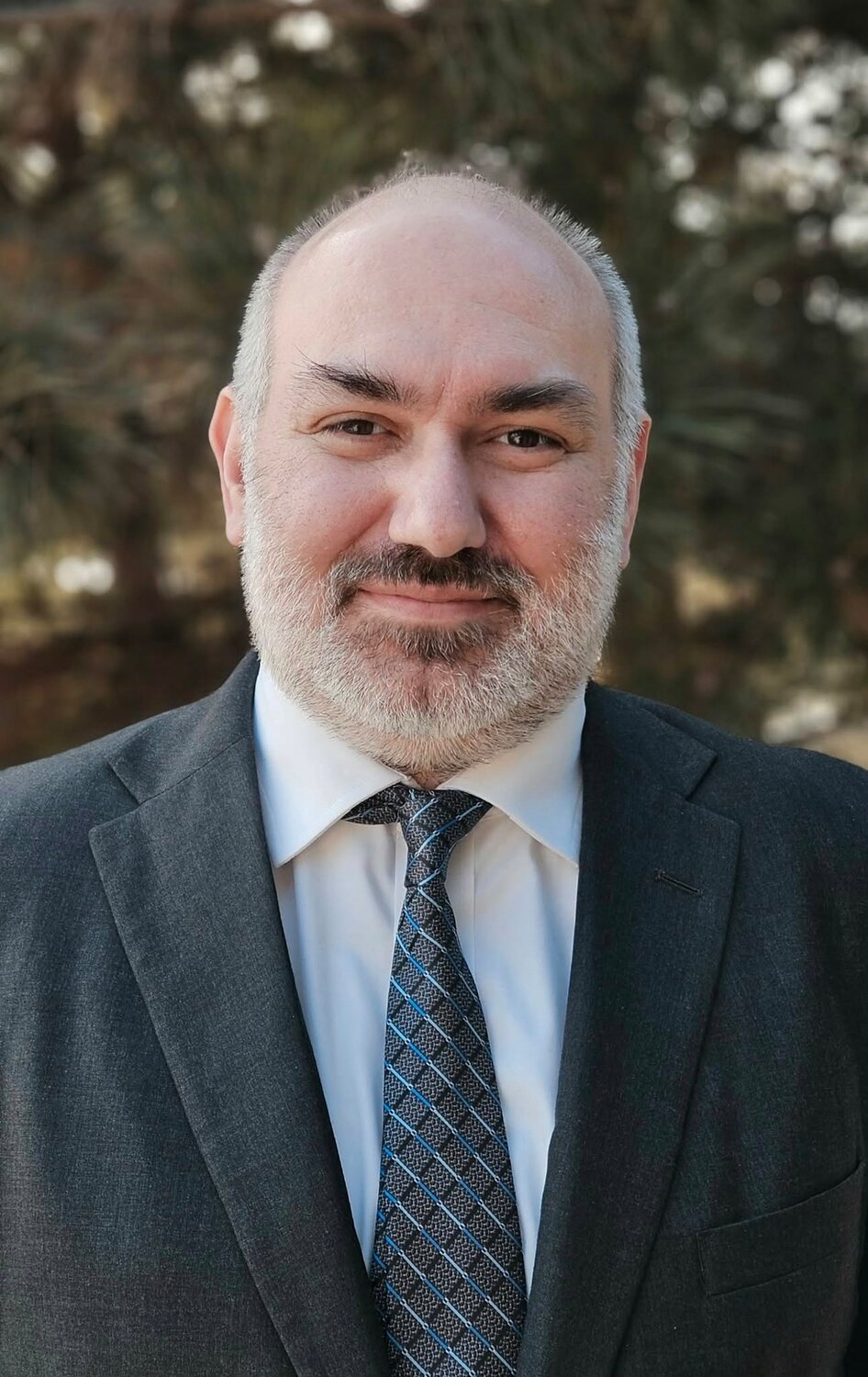
John Leiber was elected Wisconsin’s state treasurer in November 2022 and took office in January 2023. He is seeking a second term.
Originally from Caledonia, Leiber earned a history degree from the University of Wisconsin–Parkside and a law degree from the University of Wisconsin Law School.
His professional experience includes serving as a legislative staff member in the Assembly and Senate, a tax adviser at the Department of Revenue, and an attorney handling real estate, wills, and probate.
In Racine County, he served as president of a parks and recreation commission and as a housing authority commissioner. Leiber and his wife, Diane, live in Cottage Grove and have three adult children.
His campaign supports keeping the treasurer’s office within its existing responsibilities rather than creating additional programs or expanding government.
Leiber emphasizes conservative financial management, transparency, and stewardship of public money. Through the Board of Commissioners of Public Lands, he helps oversee investments supporting schools and loans available to local governments.
He presents protecting those investments and maintaining their earnings as central responsibilities. His reelection platform focuses on administering the office, safeguarding funds and controlling overhead, with limited expansion of the treasurer’s duties.
Website: https://www.leiberfortreasurer.com
Yee Leng Xiong — Democratic candidate for state treasurer
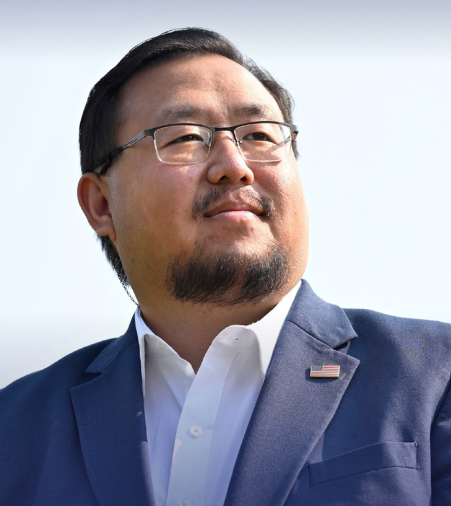
Yee Leng Xiong is a Marathon County supervisor and treasurer of the D.C. Everest School Board. Born in Wausau to Hmong refugee parents, he won election to the school board in 2014 at age 19.
Xiong joined the Marathon County Board in 2016 and served on the Weston Village Board from 2018 to 2022. His experience includes reviewing school, village, and county budgets.
He previously led the Hmong American Center, which serves families in central Wisconsin. Gov. Tony Evers also appointed him to the Financial Literacy Council.
Xiong’s campaign focuses on protecting school trust funds, supporting local government investments, and making public finances easier to understand.
He wants to preserve the Common School Fund’s principal while increasing returns available to public schools. He also supports low-interest trust fund loans for local infrastructure projects.
Other priorities include financial education, greater transparency, and outreach helping residents recover unclaimed property held by the state.
Xiong favors managing public lands to balance conservation with revenue supporting education. He describes the treasurer as an independent watchdog who should explain financial decisions and question waste.
He is challenging Republican incumbent John Leiber and proposes a more visible office that works with agencies and local officials.
Website: https://www.yeeforwi.vote
Derrick Van Orden — Republican candidate for U.S. House, District 3
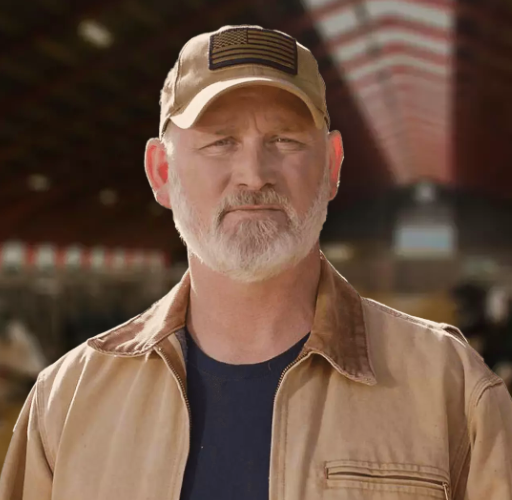
Derrick Van Orden has represented Wisconsin’s 3rd Congressional District since January 2023. He served in the Navy from 1988 to 2014 and retired as a senior chief petty officer after 26 years of service.
His civilian background includes owning a business and acting. He first ran for Congress in 2020, losing to Ron Kind, then won the seat in 2022 against Brad Pfaff. He defeated Rebecca Cooke in 2024.
Van Orden supports lower taxes, stronger border enforcement, and additional resources for law enforcement. His agriculture agenda emphasizes Wisconsin’s dairy industry.
He favors replacing the Affordable Care Act with a system emphasizing competition while maintaining protections for people with preexisting conditions. He also stresses rural hospitals and emergency services.
Veterans’ priorities include treatment, job training, education benefits, business opportunities, and housing. He supports congressional term limits.
His infrastructure platform addresses roads, bridges, drinking water and rural broadband. On data centers, he supports local input, farmland protection, and limits on water impacts.
Van Orden says developers should pay for required energy and grid improvements rather than shifting costs to households. He favors sites with existing infrastructure before developing farmland or placing major facilities in rural communities.
Website: https://www.vanordenforcongress.com
Rebecca Cooke — Democratic candidate for U.S. House, District 3
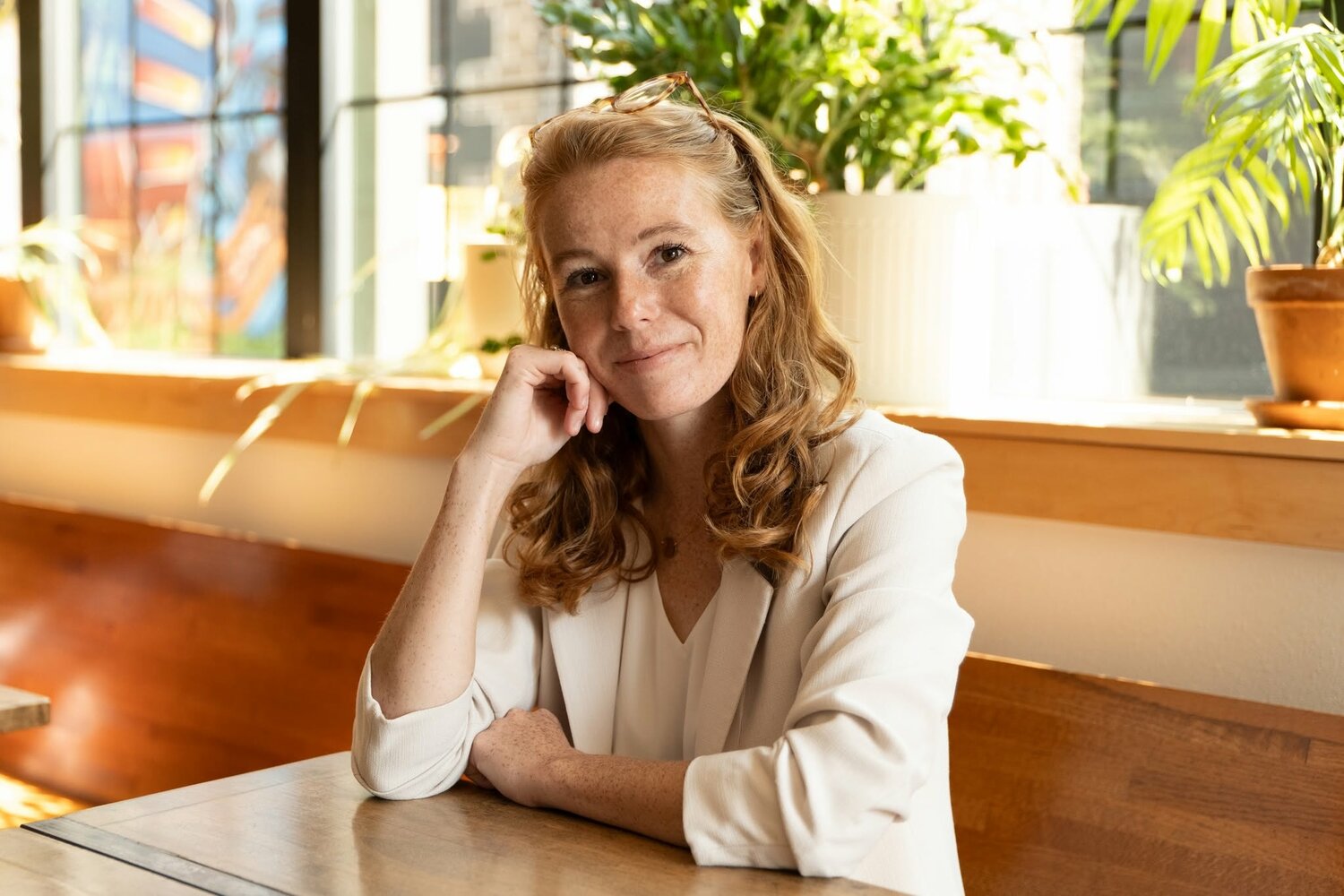
Rebecca Cooke grew up on a dairy farm near Eau Claire and has worked in retail, restaurants, nonprofit organizations, and political campaigns.
She opened Red’s Mercantile in Eau Claire and, in 2016, founded the Red Letter Grant to help women start and expand businesses. Gov. Tony Evers appointed her to the Wisconsin Economic Development Corporation’s board.
Cooke sought the congressional seat in 2022 and became the Democratic nominee in 2024, losing to Derrick Van Orden.
Her platform calls for a $30 monthly cap on certain essential medications, expanded Medicare dental, vision, and hearing coverage, and support for rural hospitals.
Cooke favors a $15 federal minimum wage, stronger union rights and first-time homebuyer tax credits. She supports simpler business permitting and expanded small-business tax deductions.
Her agriculture proposals include antitrust enforcement, expanded exports and ending tariffs she says have restricted farm trade.
Cooke wants congressional term limits, a ban on stock trading by members of Congress and White House officials, and reduced corporate influence in elections.
On data centers, she supports a moratorium on new hyperscale development and ending tax breaks. She also proposes protections against surveillance pricing and corporate misuse of personal information.
Website: https://cookeforwisconsin.com
Rustin Provance — Independent candidate for U.S. House, District 3
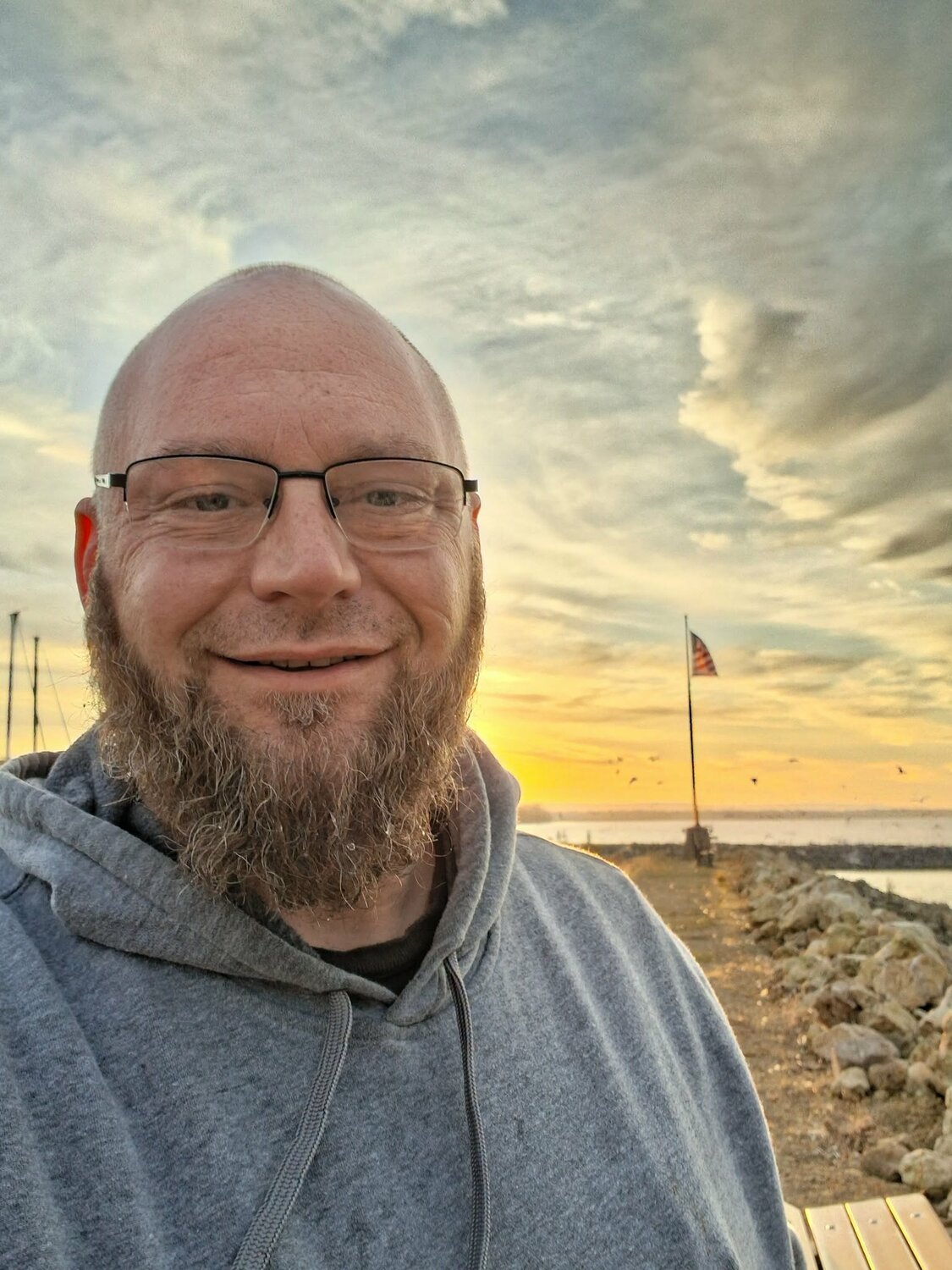
According to his website, Rustin Provance was born in Missouri. In his campaign biography, he says he spent 13½ years in prison for property crimes committed as a minor.
He says he took classes, studied law, and worked as a GED tutor while incarcerated. After his release, he attended trade school, earned a certificate in heating, ventilation, air conditioning, and refrigeration, and moved to Wisconsin.
Provance’s published platform calls for ending the Federal Reserve and replacing commodity-backed currency with money tied to tangible assets.
He favors dismantling the federal Department of Education, increasing parental responsibility, and funding homeschooled students. He also wants to reduce federal control over health care.
His judicial proposals include term limits for the Supreme Court and greater accountability for judges and prosecutors. He supports term limits for elected officials and says he would limit his own congressional service.
Provance proposes public votes on major Social Security changes, including optional participation. Other priorities include veterans’ services and stronger relationships with Native American communities.
Website: https://rustinforcongress.wixsite.com/website
Alexander Valiensi Kent — Independent candidate for U.S. House, District 3
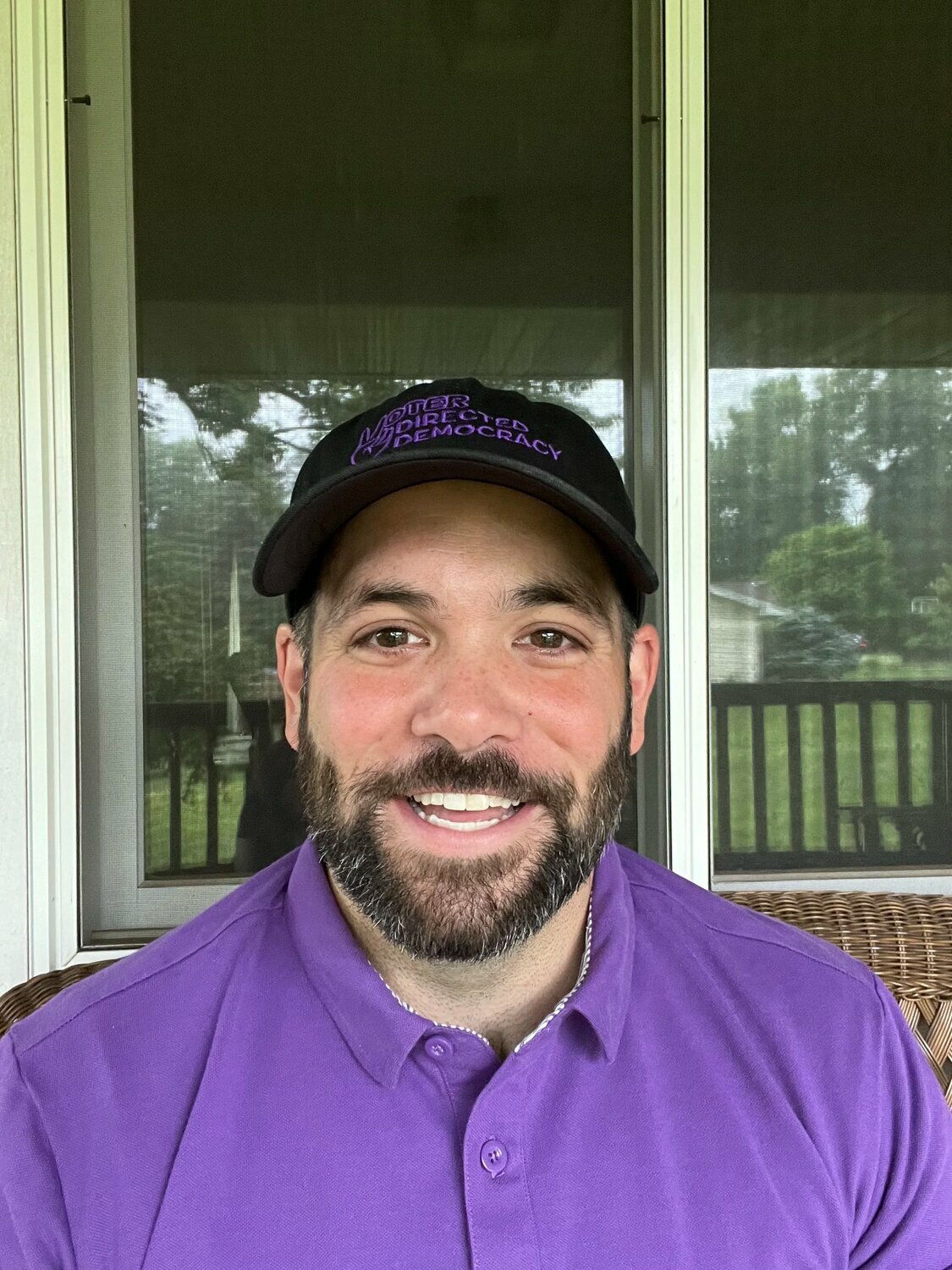
According to his website, Alexander Valiensi Kent describes himself as a social worker, husband, father, and author. He founded the Voter Directed Network and wrote “Voter Directed Democracy,” outlining his ideas about political representation.
Kent proposes a system in which elected officials follow voters’ choices on individual issues rather than party positions. The Voter Directed Network lets verified voters review information, discuss proposals, and register preferences.
He argues that representatives should regularly ask constituents how to vote on legislation. His longer-term proposal envisions an official online system that gathers public decisions on bills, executive actions, and other policy questions.
Kent also opposes campaign donations, saying money gives donors influence that other voters lack. He says his campaign will not accept contributions from individuals, parties, lobbyists, or political action committees.
His platform emphasizes transparency, equal participation, and leadership that shares power with the public. He cites his study of servant leadership at Viterbo University as an influence.
Kent’s campaign focuses more on changing how government makes decisions than on prescribing positions on taxes, health care, or agriculture. Under his proposed system, voters’ expressed preferences would guide policy decisions rather than a fixed partisan agenda.
Website: https://www.voterdirectednetwork.com/alexanderkent
Nancy VanderMeer — Republican candidate for Assembly District 70
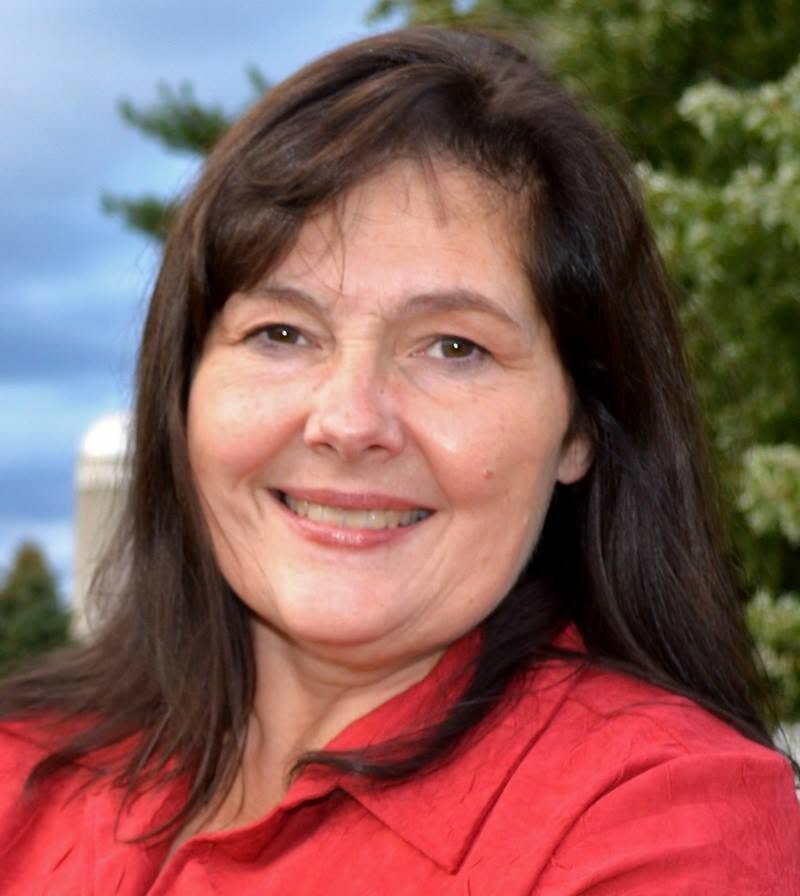
Nancy VanderMeer has represented Wisconsin’s 70th Assembly District since 2015. A Tomah-area businesswoman, she spent years running VanderMeer Motor Company, continuing the dealership her father established.
She graduated from the University of Wisconsin–La Crosse in 1988 and married David Hall in 1992. Her family has ties to the Hall dairy farm in Tarr Valley in Monroe County’s Town of Greenfield.
Her community involvement includes the Tomah Chamber of Commerce, the Tomah Memorial Hospital and Handi-Shop boards, and Gloria Dei Lutheran Church.
VanderMeer’s campaign emphasizes transportation, agriculture, public safety, and economic development. She supports investments in roads and bridges, help for farmers, and policies that encourage tourism and business growth.
Her priorities also include veterans, emergency services, local health care providers, seniors, and mental health initiatives. She highlights tax reductions for middle-income residents and older Wisconsinites.
On housing, her campaign identifies workforce financing, assistance with home purchases and rehabilitation, and changes that simplify residential development.
VanderMeer’s platform largely centers on legislation and budget decisions she supported during her current term. She is seeking reelection against Democrat Stephanie Stuve Bodeen and is asking voters to continue her work on infrastructure, rural development, and community services.
Website: https://www.nancyforwisconsin.com
Stephanie Stuve Bodeen — Democratic candidate for Assembly District 70
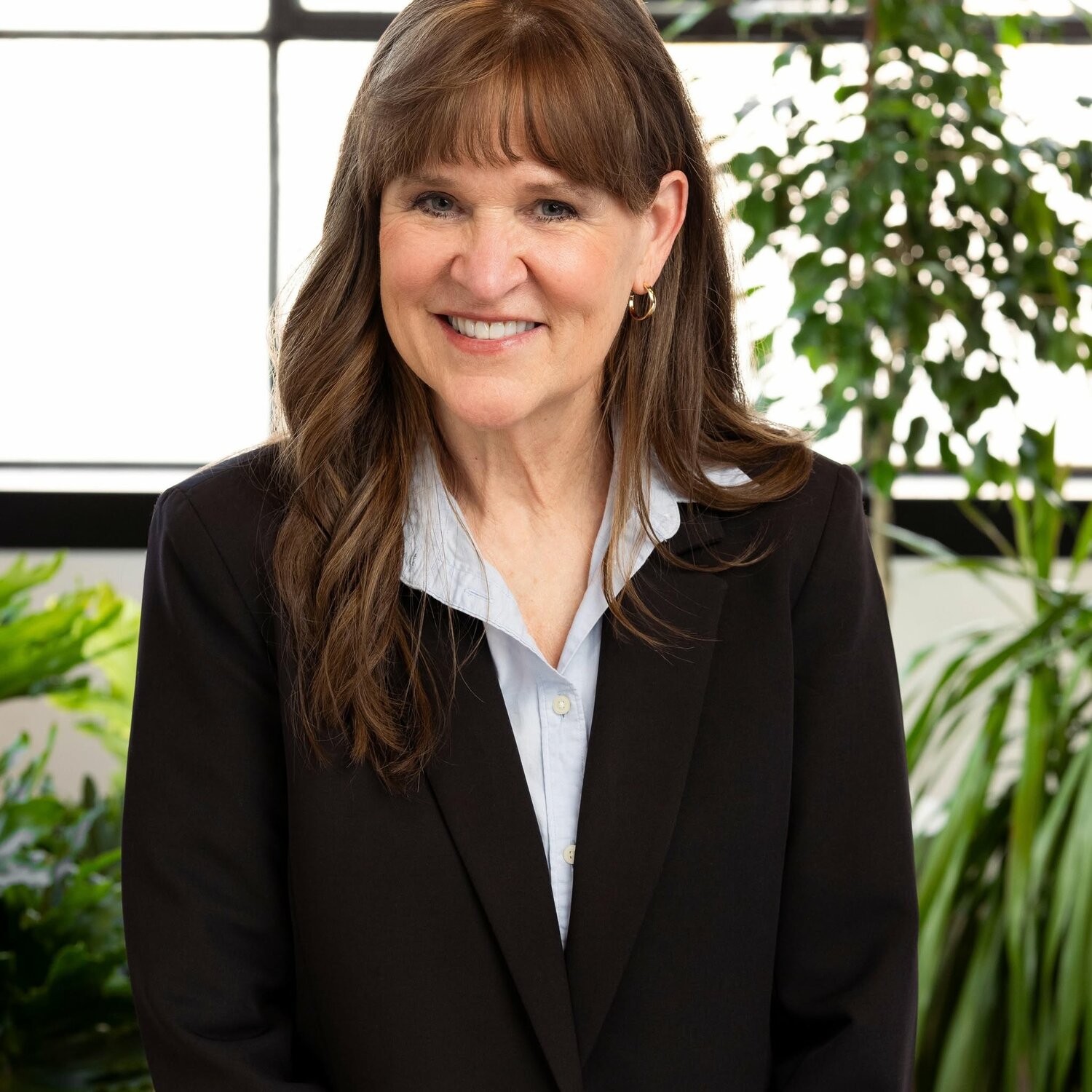
Stephanie Stuve Bodeen is an author and educator who grew up on a dairy farm in Humbird. She graduated from the University of Wisconsin–River Falls with a degree in secondary education and later earned a master’s degree in creative writing.
She and her husband served in the Peace Corps in Tanzania. She has taught social studies and worked as a contact tracer for Jackson County Public Health.
Bodeen prioritizes health care, education, and affordability. She supports fully funding public schools, ending vouchers and increasing special education reimbursement to 60 percent.
She favors legislation setting teachers’ minimum salaries at the level paid to state legislators. Other proposals include raising the minimum wage, taxing the wealthiest residents and closing corporate tax loopholes.
Bodeen supports restrictions on investment firms’ purchases of mobile home parks when rent increases threaten displacement.
She favors a constitutional amendment against gerrymandering and proportional representation. On development, she supports a moratorium on modular and hyperscale data centers and concentrated animal feeding operations.
She wants state requirements for environmental reviews, water-use standards, labor protections, and community benefit agreements. Bodeen is challenging Republican incumbent Nancy VanderMeer.
Website: http://www.stephanieforassembly.com
Cedric Schnitzler — Republican candidate for Assembly District 95
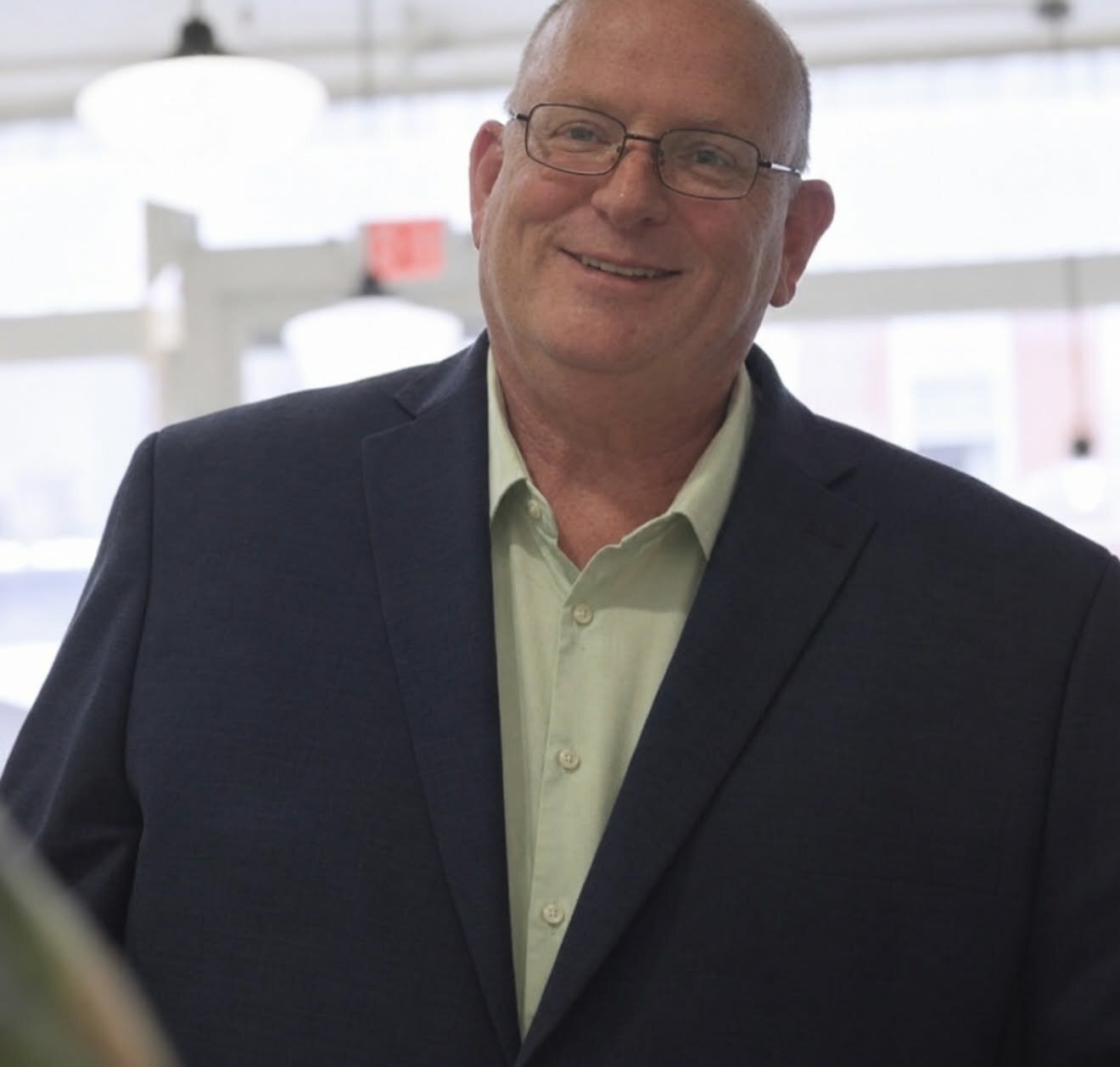
Cedric Schnitzler chairs the Monroe County Board and has been a Sparta-area farmer for decades. He spent about 30 years operating an organic dairy farm and continues raising cattle on his family’s farm.
Schnitzler has served on the County Board for nearly three decades, including roughly a decade as chairman. His county work has involved budgets, human services, conservation, and the effects of state policy on local government.
His platform emphasizes household expenses, property taxes, health care and education. Schnitzler supports tax relief for families and retirees, opposes tax increases, and wants property-tax reform.
On health care, he favors clearer pricing, fewer administrative barriers, and postpartum care. He says patients need better access to affordable treatment and cost information.
His education priorities include parental involvement, school options, classroom resources and accountability for achievement.
Agriculture and local authority also stand out. Schnitzler has discussed protecting groundwater, rising farm costs, and preserving community control over development.
He presents his County Board experience as preparation for representing local concerns in Madison. The November race includes Billings and independent Paul Michael Weber.
Website: https://www.schnitzlerforassembly.com
Jill Billings — Democratic candidate for Assembly District 95
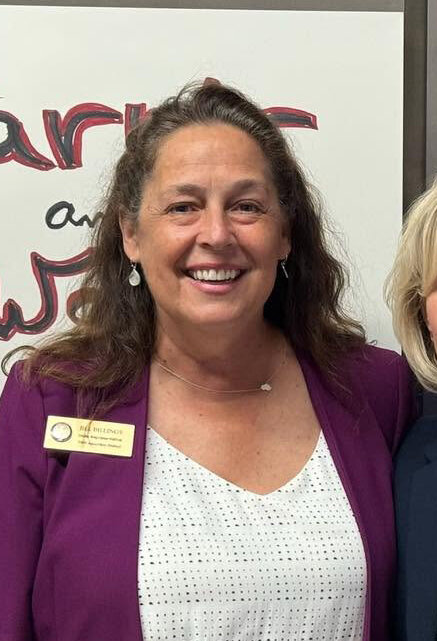
Jill Billings has represented Wisconsin’s 95th Assembly District since winning a special election in 2011. She previously served eight years on the La Crosse County Board.
Billings graduated from Augsburg College with a degree in English and communication. Before entering the Legislature, she taught English and citizenship classes to Hmong adults through the Friendship Program.
Her county work included health and human services and helping develop La Crosse County’s OWI Treatment Court.
Billings supports increased funding for public schools and special education, Medicaid expansion, and policies addressing childcare, housing, and prescription costs. She favors paid family and medical leave and childcare tax credits.
Her health agenda includes limits on lifesaving medication costs and prevention of youth nicotine addiction. Environmental priorities include replacing lead water lines, addressing PFAS and notifying counties of water quality violations.
She supports state action on climate change, nonpartisan redistricting, campaign finance reform and voting protections.
Billings also advocates protections for young trafficking victims and support for children and families.
On affordability, she favors increasing housing supply, expanding childcare and improving health care transparency and competition. She is seeking reelection against Republican Cedric Schnitzler, whom she defeated in 2024, and independent Paul Michael Weber.
Website: https://www.jillbillingsforassembly.com
Paul Michael Weber — Independent candidate for Assembly District 95

Paul Michael Weber is an independent candidate for Wisconsin’s 95th Assembly District. He faces Democratic incumbent Jill Billings and Republican Cedric Schnitzler in the November 3 election.
Weber previously sought the Democratic nomination for the 32nd Senate District in 2020. He finished behind Brad Pfaff and Jayne Swiggum in that primary. He also entered the 2021 race for La Crosse mayor.
The Herald found nothing online about Mr. Weber's background or platform.
Campaign website: None verified.
Mike Krause — Republican candidate for Monroe County sheriff
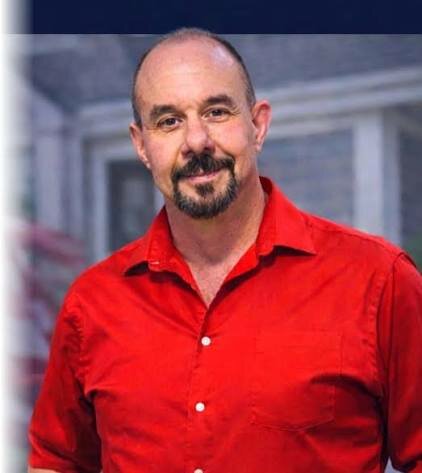
Mike Krause was a sergeant with the Monroe County Sheriff’s Office and the Republican nominee for sheriff. According to his campaign biography, he has worked in law enforcement and corrections for 22 years and became a county sergeant in 2023.
He also has a business background, having owned Fitness Connection in Tomah for more than 30 years.
Krause defeated Chief Deputy Christopher Weaver in the Aug. 11 Republican primary. Afterward, Incumbent Wes Revels announced a write-in campaign, creating a November contest despite the absence of a Democratic nominee.
Krause’s campaign emphasizes fiscal responsibility, professional leadership, transparency, and accountability. He says his business and law enforcement experience would help him manage resources while maintaining public safety.
His stated priorities include a unified workforce and community trust. The campaign stresses clear leadership, integrity, and consistent management.
Krause also calls for controlling expenses and using taxpayer money responsibly. He argues the department should be professionally managed, financially disciplined, and accountable to residents.
Website: https://krauseforsheriff2026.com
Wes Revels — Incumbent sheriff and write-in candidate
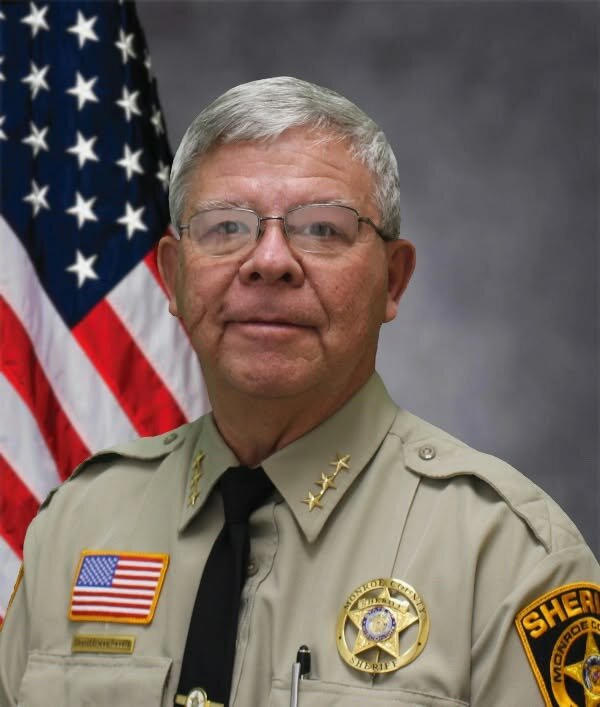
Monroe County Sheriff Wes Revels is seeking another four-year term through a write-in campaign. Previously elected as a Republican, Revels had planned to leave office but reconsidered after residents contacted him following the August primary.
Revels has 38 years of law enforcement experience, including 36 in Monroe County. A former Tomah police chief, he has served in municipal and county law enforcement, attended the FBI National Academy, and attended Northwestern University’s School of Police Staff and Command.
His campaign emphasizes experienced leadership, public safety, and support for employees working in dispatch, corrections, patrol, and court security.
Revels wants to continue the restored DARE program, the department’s cadet program, and its partnership with Next Steps for Change, which provides peer counseling in the jail. He also supports continued staff involvement in the county’s OWI and drug treatment courts.
Illegal-drug enforcement and updated safety equipment remain priorities. If county finances permit, Revels would add dispatchers to reduce reliance on 12-hour shifts and improve scheduling. He also favors technology that could improve services without equivalent staffing increases.
Revels faces Republican nominee Mike Krause on November 3. His name will not appear on the ballot; supporters must write it in to vote for him.
Campaign Facebook page: https://www.facebook.com/61593904836929/
Laura L. Endres — Republican candidate for Monroe County clerk of circuit court
Laura L. Endres is Monroe County’s clerk of circuit court and the Republican candidate for reelection. She is listed as unopposed in the November general election.
Endres also ran for the office in 2022. She is the current clerk.
Campaign website: None verified.
Monroe County voters will see three statewide constitutional amendment questions on the November 3 ballot. Each is a separate decision: a majority voting yes adopts that amendment; a majority voting no leaves the Constitution unchanged.
Question 1: The governor’s partial veto power
Wisconsin’s governor can approve parts of a spending bill while vetoing others. Removing words or numbers can sometimes change what the remaining language allows.
This amendment would prohibit using that power to create or increase a tax or fee—or authorize someone else, such as a local government, to do so.
- A YES vote: Adds that restriction to the Constitution. The governor would retain partial veto authority for other purposes.
- A NO vote: Keeps the governor’s current partial veto authority, subject to existing constitutional limits.
This question does not prohibit all future tax increases. Taxes could still change through the regular legislative process. It also would not retroactively undo Gov. Tony Evers’ “400-year veto” involving school revenue limits.
Question 2: Places of worship during emergencies
This amendment would prohibit state and local governments from ordering places of worship closed or forbidding gatherings there in response to a declared emergency, including a public health emergency.
The proposal grew out of restrictions on religious gatherings during the COVID-19 pandemic.
- A YES vote: Adds an explicit constitutional prohibition against those emergency closures and gathering bans.
- A NO vote: Keeps existing law and constitutional protections. Emergency restrictions would remain subject to religious freedom protections under the state and federal constitutions.
A no vote does not give government unrestricted authority to close churches. Existing religious freedom protections would remain. If the amendment passes, courts may need to decide how it applies to capacity limits and other restrictions short of complete closure.
Question 3: Government discrimination and preferential treatment
This amendment would prohibit government entities from discriminating against—or giving preferential treatment to—people based on race, sex, color, ethnicity, or national origin in public employment, education, contracting, and administration.
It would cover state and local government, public schools, the UW System, and technical colleges. The proposal includes exceptions for certain federal funding requirements and sex-based qualifications.
- A YES vote: Adds the prohibition to the Constitution. It could restrict government programs that use those characteristics to determine eligibility or give preference.
- A NO vote: Leaves the Constitution unchanged. Existing state and federal protections against unlawful discrimination would continue.
The amendment could affect some affirmative action and diversity programs, but its effect on programs would depend on court interpretation. A no vote does not legalize discrimination; a yes vote would establish additional constitutional restrictions.
Question Information referenced from University of Wisconsin Law School https://statedemocracy.law.wisc.edu/


Comments
No comments on this item Please log in to comment by clicking here